Wednesday, 7 January 2026

Safety Standards for Construction Machines: ISO, BIS & More

23:43

Construction equipment is vital for infrastructure development, but with power and productivity comes responsibility. Ensuring the safety of operators, workers, and the worksite is non-negotiable. That’s why construction machinery must adhere to internationally recognized standards like ISO, national regulations like BIS in India, and additional site-specific safety requirements.

At Kaushik Engineering Works, safety is a priority, and understanding these standards can help manufacturers, contractors, and site managers operate efficiently while minimizing risks.

construction equipment manufacturer

Why Safety Standards Matter for Construction Equipment

Construction sites are inherently risky environments. From cranes lifting heavy loads to excavators moving earth, there is a constant potential for accidents. Safety standards are designed to mitigate these risks by providing guidelines for design, manufacturing, operation, and maintenance of machinery.

Adhering to safety standards has multiple benefits:

  • Protects workers: Reduces the likelihood of injuries and fatalities.

  • Minimizes downtime: Safe equipment experiences fewer breakdowns and accidents.

  • Legal compliance: Meets regulatory requirements, avoiding fines and penalties.

  • Enhances reputation: Manufacturers and contractors known for safety are trusted by clients and employees alike.

Without standardized safety protocols, machines may pose unpredictable hazards, making compliance essential not only for legal reasons but also for operational efficiency.

ISO Standards for Construction Equipment

The International Organization for Standardization (ISO) is a globally recognized body that defines safety and quality standards across industries, including construction machinery. ISO standards ensure that equipment is reliable, safe, and compatible across international markets.

Some key ISO standards relevant to construction machines include:

  • ISO 9001: Focuses on quality management systems to ensure equipment meets performance and safety expectations.

  • ISO 12100: Provides general principles for risk assessment and risk reduction in machinery design.

  • ISO 20474: Specifies safety requirements for earth-moving machinery.

  • ISO 3691-4: Governs safety requirements for industrial trucks used on construction sites.

By designing equipment according to ISO standards, manufacturers ensure that machines not only perform efficiently but also safeguard the health and well-being of operators. These standards are particularly valuable for companies that export equipment internationally, as compliance ensures acceptance in multiple countries.

BIS Standards for Construction Equipment in India

In India, the Bureau of Indian Standards (BIS) plays a similar role, establishing safety and quality benchmarks for industrial and construction machinery. BIS standards are aligned with national regulations and help manufacturers produce machinery that is safe for Indian conditions.

Key BIS standards for construction equipment include:

  • IS 9434: Safety requirements for hydraulic excavators.

  • IS 4030: Safety specifications for cranes and lifting equipment.

  • IS 6759: Guidelines for earth-moving machinery such as loaders and bulldozers.

Manufacturers adhering to BIS standards demonstrate their commitment to safety, ensuring that their machines are compliant with legal requirements and suitable for the diverse operating conditions across India.

Site-Specific Safety Requirements for Construction Equipment

While ISO and BIS standards provide general safety frameworks, each construction site may have unique risks requiring additional precautions. Site-specific safety standards consider:

  • Terrain and environment: Uneven ground, mud, or waterlogged areas may require special machine modifications.

  • Load requirements: Overloading can cause machinery failure or accidents.

  • Local regulations: Municipal or state guidelines may impose additional safety measures.

  • Worker safety protocols: Protective gear, training, and emergency response plans are tailored for site conditions.

For example, a high-rise construction site may require machines with fall protection systems and advanced braking mechanisms, whereas a road construction site may prioritize vibration reduction and dust control. Manufacturers and site managers must work together to implement these additional safety measures.

What Manufacturers Must Do to Ensure Compliance

Manufacturers of construction equipment bear significant responsibility to ensure their machines meet all relevant safety standards. Compliance is not just about certification; it involves a holistic approach:

  1. Design Safety into Equipment: Incorporate fail-safe mechanisms, emergency stops, and protective guards from the early design stages.

  2. Conduct Risk Assessments: Identify potential hazards and develop strategies to mitigate them, following ISO 12100 guidelines.

  3. Adhere to Quality Management Systems: Implement ISO 9001-compliant processes to ensure consistent quality and safety in production.

  4. Regular Testing and Certification: Machines should undergo rigorous testing and obtain certifications from BIS, ISO, or other recognized authorities.

  5. Operator Training: Provide manuals, safety guidelines, and hands-on training to operators to ensure proper usage.

  6. Maintenance Protocols: Schedule regular maintenance and safety inspections to prolong equipment life and prevent accidents.

By embedding safety into every stage of manufacturing and operation, companies can protect workers, avoid regulatory penalties, and enhance the durability and reliability of their machines.

Key Takeaway

Safety standards for construction machinery are not optional—they are essential for protecting lives, ensuring compliance, and maintaining operational efficiency. From global ISO standards to India-specific BIS regulations and site-specific safety requirements, manufacturers and contractors must stay vigilant and proactive.

Implementing these standards requires a collaborative approach between manufacturers, site managers, and operators, ensuring machines are safe, reliable, and productive under all conditions.

Ensure Safety and Efficiency with Kaushik Engineering Works

At Kaushik Engineering Works, safety and quality are at the heart of everything we do. Our construction machines are designed and manufactured to meet ISO and BIS standards while incorporating site-specific safety requirements.

We help clients operate machinery that is not only efficient but also reliable and safe, protecting both workers and investments. By choosing Kaushik Engineering Works, you ensure compliance, productivity, and peace of mind on every construction project.

Read more about our commitment to safety and innovation: Kaushik Engineering Works – Construction Equipment Safety Standards

Thursday, 1 January 2026

Top 7 Road Construction Equipment, Tools and Their Uses

04:25

Roads play a major role in the economic development of a nation. In fact, the economic strength of a country is visible through the roads. Roads are important projects in the construction industry too. In case, you plan to start construction work or you are new to this industry with a road construction project in hand, then there are a few things that you need to know before you begin. There are plenty of things right from construction equipment to manpower required to construct a road. Let’s check out the top 7 pieces of equipment needed to construct roads.

Motor Grader

motor grader road construction

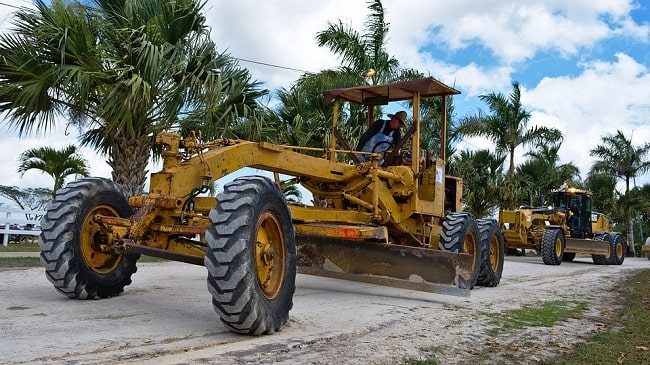
There are so many types of equipment needed before Motor Grader, but this is an integral one. A motor grader, also known as a road grader is used to surplus or flatten the surface. The equipment is so powerful that it can flat even rockery or earthen surfaces in no time. The motor grader generally consists of three axles. This machine is very important as it fastens the work and helps to complete the construction project quickly.

Road Roller Machine

Road Roller Machine

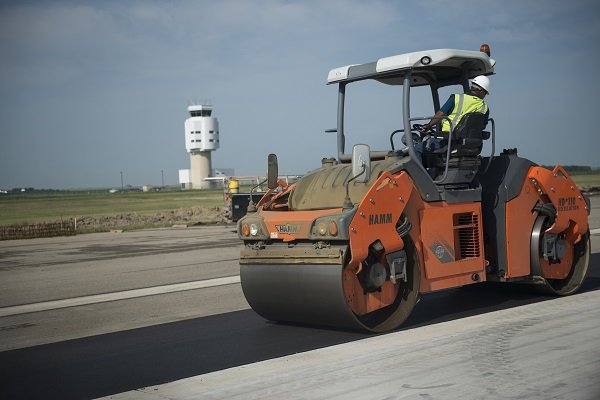
A road roller machine is used soon after asphalt is laid down on the road. The equipment is rolled to compact the asphalt. This equipment is similar to its name and work. Mostly, three wheels are there in the machines. The two rear one is built in regular tires while the front one is built in hard metal. Some road roller machines are built on two wheels only -both in hard metals. The wheels play a significant role in compacting the asphalt. It needs water on the wheel when it rolls on the asphalt. The type of roller machines used in road construction projects depends on the specific project.

Asphalt Mixing Plant

Asphalt Mixing Plant

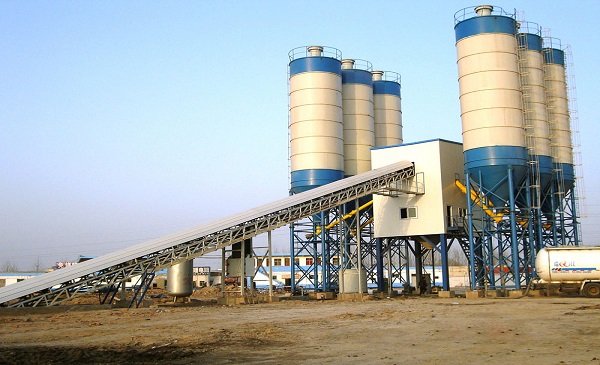
Asphalt Mixing Plant is another important road construction equipment. If the project is a large one, then the asphalt mixing plant is set on the road construction site. In this process, the concrete asphalt including other materials including macadam and coated roadstone are mixed together in the correct proportion. Once the product is ready, it is used for building the road.

Forklift Truck

Forklift Truck

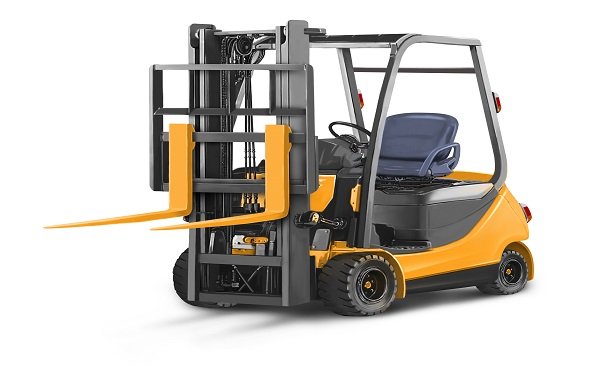
The forklift truck (also known as a fork truck or lift truck) was initially designed to lift or move objects in large manufacturing companies or factories. But over the years, it has expanded its uses by bringing some mechanical changes. The truck equipped with an attached prolonged platform helps to pick an object lying on or below the ground and move it to the destination. It can lift heavy materials and take them anywhere within the construction site and therefore can fasten the road construction project.

Crawler Excavator

crawler excavator road construction

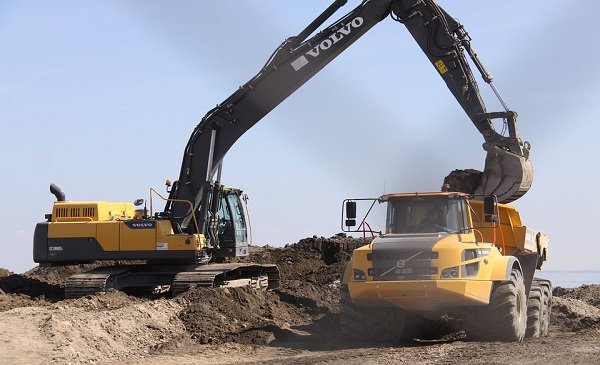
It’s a piece of heavy construction equipment used to excavate paved rocks & clay and load them onto a dump truck. In fact, it serves many purposes like digging the earth, excavating rocks and clay, or moving rocks or soil from the construction sites. All you need to do is to change the front attachment as per the purpose. The excavator equipped with a boom, bucket, and cab serve assists multiple works as required.

Truck Crane

Truck Crane

A truck crane helps to do a number of things including loading/unloading heavy industry material lifting heavy products and much more. Generally, cranes come attached back to the truck’s lorry and it works to lift construction equipment to the construction site.

Wheel Loader

wheel loader machine

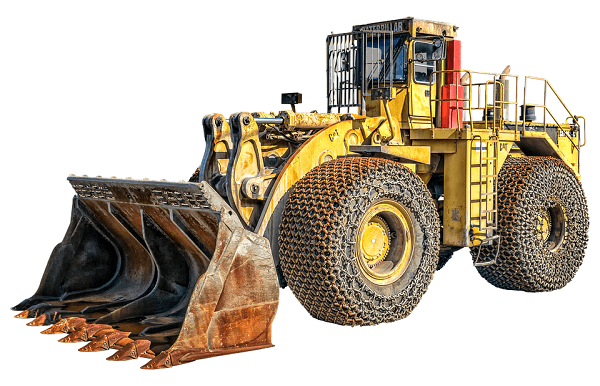
Last but not least; the wheel loader is one of the must-have equipment for most construction sites. You can find a wheel loader (also known as a front loader, skip loader, or bucket loader) on most of the construction sites including road construction. This is much like a tractor and it can live and move a pile of materials including clay, soil, stones, rocks, etc. from the ground and load it onto a dump truck. It is popular for removing, lifting, and loading things without spreading them out.

In short, these are some of the most-used construction equipment for most of the heavy industrial use including road construction projects and much more. So, if you have such projects on hand, please make sure that you have all these road construction equipment before you begin.

Note: The types of equipment suggested above are the top 7 equipment among the many for road construction projects. You may require to have many other equipment and manpower to carry on your projects.

Types of Roads and Their Equipment Needs

Different types of roads demand specific road construction equipment based on traffic volume, terrain, and usage intensity. Selecting the right machine enhances operational efficiency and also extends the road’s lifespan. Below, we explore how equipment needs differ across various types of roads.

Urban vs. Rural Roads

Urban roads are typically located in densely populated regions with high traffic volumes, complex utility layouts, and limited construction space. This calls for compact yet powerful road construction machinery that can manoeuvre easily in confined areas without compromising performance.

Machines used in road construction for urban settings often include:

  • Mini tandem rollers for compaction in tight corners.
  • Sensor pavers for precise asphalt laying, ensuring smooth finishes critical in cities.
  • Cold milling machines are used for removing the old surface with minimal disruption.

In addition, urban areas may require advanced dust suppression and noise control features, as construction activities are conducted near residential or commercial zones. This makes modern road construction machines with eco-friendly engines and automation features a preferred choice.

In contrast, rural roads are often less complex but span longer, sometimes uneven terrains. These roads usually connect villages or agricultural areas, so the priority is durability and low maintenance. Equipment used in these construction projects must be rugged and cost-effective.

Essential equipment used in rural road construction includes:

  • Motor graders for initial levelling and grading over long stretches.
  • Soil stabilisers to improve weak subgrades.
  • Drum rollers for heavy-duty compaction on expansive unpaved areas.

Rural projects may also involve working in remote locations with limited support infrastructure. Hence, reliability and fuel efficiency become critical aspects when choosing machines.

Highways vs. Internal Roads

Highways are major arteries of transportation that support high-speed, long-distance travel. The construction of highways demands high-output, large-capacity road construction equipment to meet project timelines and stringent government standards.

Commonly used machinery for highway projects includes:

  • Batch mix asphalt plants for continuous, high-quality asphalt production.
  • Crawler excavators for large-scale earthmoving and material handling.
  • Hydrostatic pavers with automation for consistent width and thickness in multilane roads.

Speed, precision, and endurance are crucial factors here, so equipment with GPS-based monitoring, automated controls, and heavy-duty components is ideal.

On the other hand, internal roads, such as those within residential societies, industrial estates, or campuses, require more compact machines. These roads may include bends, cul-de-sacs, and narrow access points, so flexibility is more valuable than brute strength.

The construction machinery list for internal road projects typically involves:

  • Compact backhoe loaders for multipurpose utility like digging, loading, and grading.
  • Walk-behind rollers for localised compaction.
  • Mini pavers for precision work on narrow or curved sections.

Choosing the right machines used in road construction ensures better productivity, safety, and quality of work. A clear understanding of the project scope and road classification is essential before selecting your fleet.

Technological Advancements in Road Construction Equipment

With rapid digitisation and infrastructure expansion, the road construction equipment landscape is undergoing a significant transformation. Advanced technologies are boosting productivity and improving safety, precision, and cost-efficiency. Businesses operating construction equipment must stay updated on these trends to stay competitive.

GPS and Automation

Global Positioning System (GPS) integration is now a game-changer in machines used in road construction. GPS-enabled machinery allows for automated grading, alignment, and layout, significantly reducing manual errors. Motor graders and dosers equipped with GPS systems can maintain elevation and slope accuracy, streamlining the entire levelling process.

Automation also plays a critical role in enhancing consistency. For example, sensor pavers and automated asphalt layers use pre-programmed settings to ensure uniform material spread and thickness. This saves time and reduces rework, fuel usage, and material waste. This makes modern road construction equipment more sustainable and efficient.

Smart Sensors and Real-time Monitoring

Smart sensors embedded in the machinery now enable real-time performance tracking, fault detection, and maintenance alerts. These technologies help operators and managers monitor parameters such as vibration, pressure, temperature, and compaction quality while work is ongoing.

Real-time data collection enables immediate adjustments, reducing the likelihood of defects and downtime. For example, rollers equipped with Intelligent Compaction (IC) systems can assess soil stiffness during operation, ensuring the desired compaction is achieved uniformly.

In addition, connected equipment allows for centralised monitoring through cloud-based platforms, which is especially useful in managing large fleets. For companies investing in equipment used in road construction, these technologies lead to improved job site coordination, preventive maintenance, and long-term savings.

Frequently Asked Questions (FAQs)

1. How do I choose the right type of road roller machine for my construction project?

The type of road roller you need depends on the surface material and compaction requirements. For instance, pneumatic tire rollers are ideal for asphalt compaction with uniform pressure, while single or double-drum vibratory rollers work better for granular soil or crushed rock. If working in confined or uneven spaces, a smaller tandem roller may be more suitable. Evaluate project scale and soil type before selecting the right model.

2. Is it better to use a stationary or mobile asphalt mixing plant for road projects?

A mobile asphalt mixing plant is ideal for short-term or remote projects, offering flexibility and ease of relocation. However, for large-scale, continuous projects near urban centres or highways, a stationary plant ensures higher output and better control over the mix quality. The decision depends on the project size, timeline, and site logistics.

3. What safety measures should be followed when operating a forklift on a road construction site?

Forklifts on uneven or partially developed road sites require extra precautions. Always ensure the operator is certified and the load is secured before lifting. Use forklifts with terrain-capable tires and adhere to strict visibility and speed protocols. Clear communication among ground personnel also helps prevent accidents in active construction zones.

4. Can a wheel loader replace a crawler excavator on a smaller road project?

While wheel loaders and crawler excavators both handle material movement, they serve different primary functions. A wheel loader is best for loading and transporting materials, while an excavator is optimised for digging and heavy lifting. On smaller projects, a wheel loader may handle light excavation tasks, but it cannot fully replace the versatility of an excavator.

5. How often should motor graders be serviced to maintain optimal performance?

Motor graders typically require inspection and preventive maintenance every 250 operating hours, but this may vary depending on usage intensity and terrain. Routine checks should include hydraulic systems, cutting edges, and blade alignment. Regular lubrication and monitoring of tire or track wear also help maintain grading accuracy.

Upgrade Your Projects with High-Performance Road Construction Equipment

When it comes to completing roadwork projects on time and within budget, the right road construction equipment can make all the difference. Whether you’re building national highways, rural connectors, or urban access roads, investing in reliable and efficient machinery ensures quality, safety, and long-term durability.

At Kaushik Engineering Works, we specialise in delivering cutting-edge road construction machinery engineered to meet the unique challenges of Indian infrastructure projects. From motor graders and road rollers to asphalt mixing plants and crawler excavators, our machines are designed for performance, precision, and productivity.

Partner with us and gain access to advanced technology, expert support, and comprehensive road construction products tailored to your project size and site conditions. Our equipment meets industry standards and also exceeds expectations in tough on-site environments.

Make the smart choice and choose dependable, durable, and cost-effective equipment used in road construction from a trusted Indian manufacturer.

Get in touch with us at +91 98251 64764 or email us at info@kaushikengineeringworks.com
to request a quote, schedule a demo, or speak with a road machinery expert. Your next successful project starts with the right tools.


Originally published at https://www.kaushikengineeringworks.com on July 17, 2018.